


the future
of rehabilitation









Phantom Pain
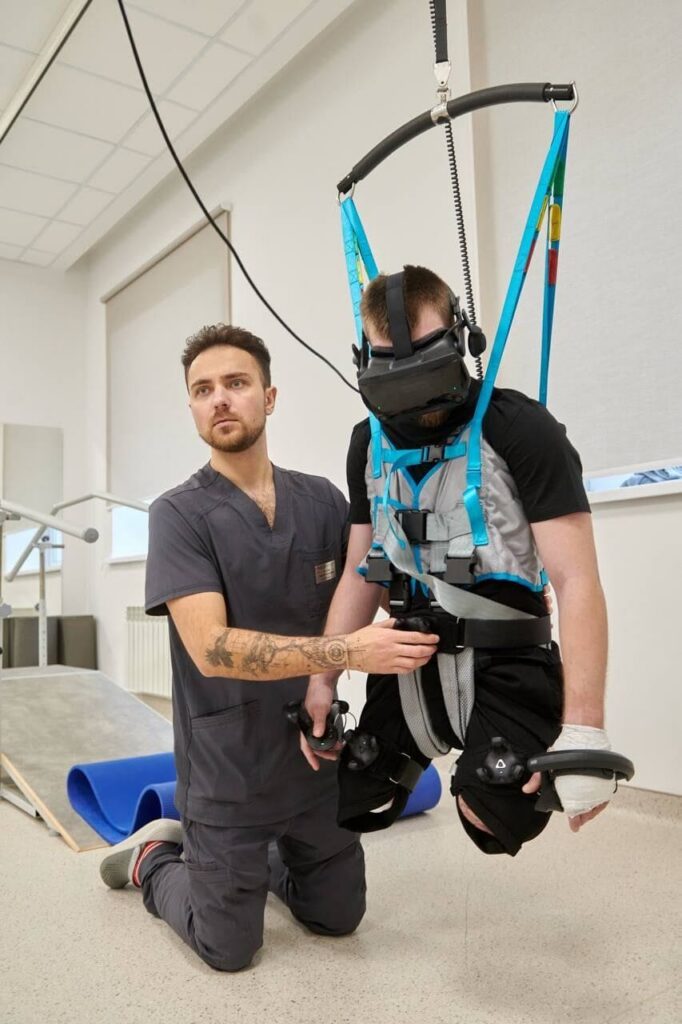
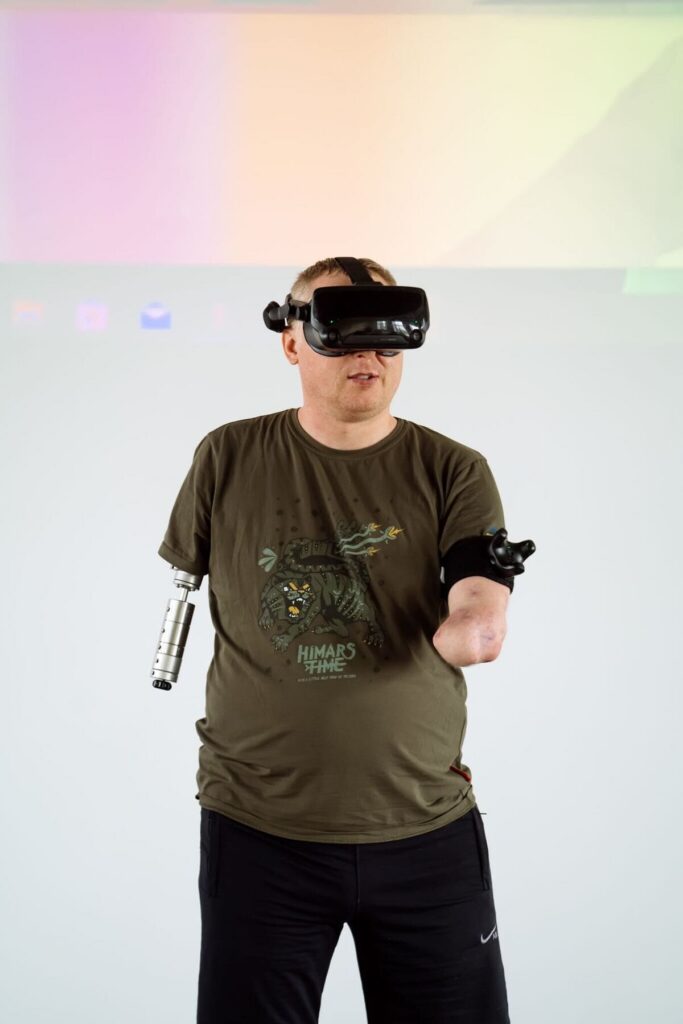
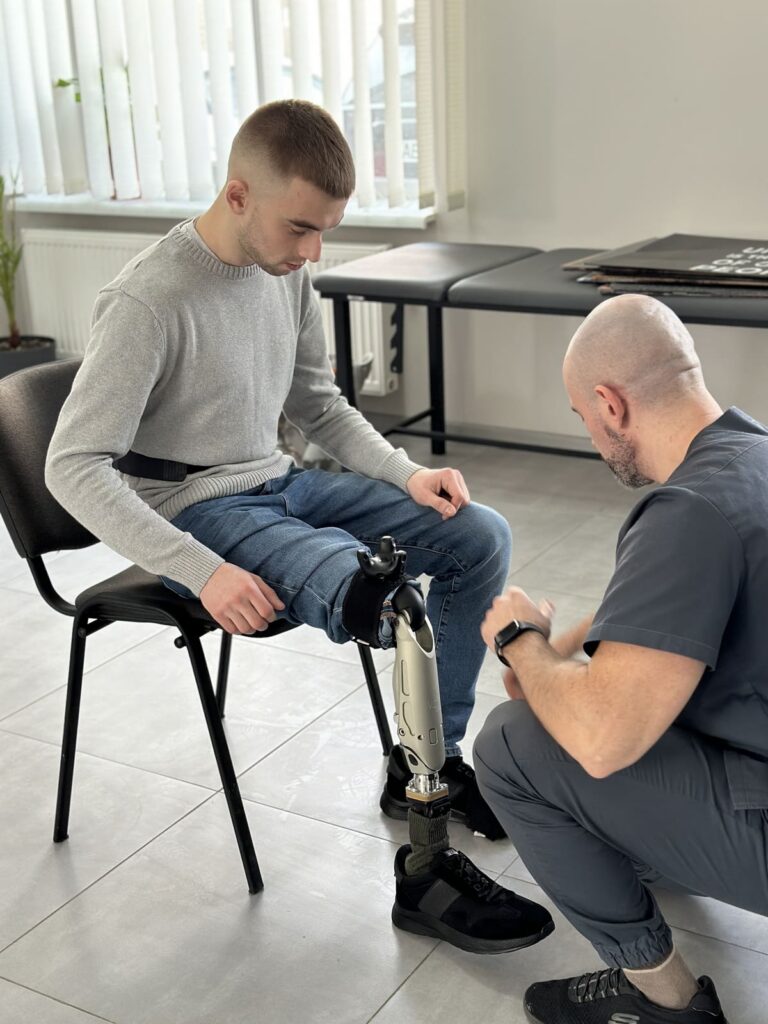
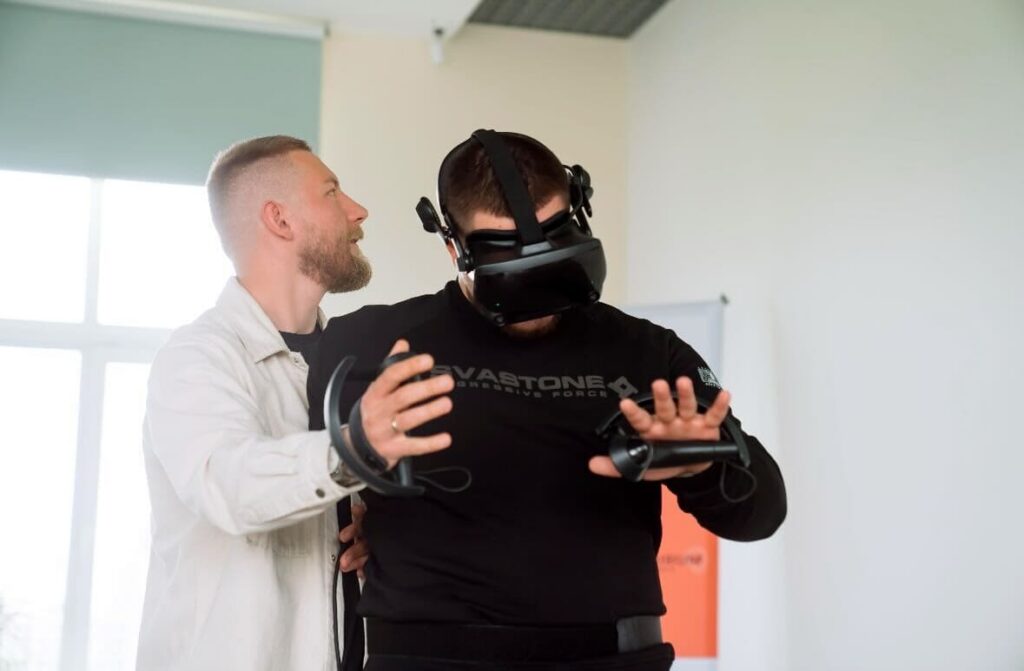
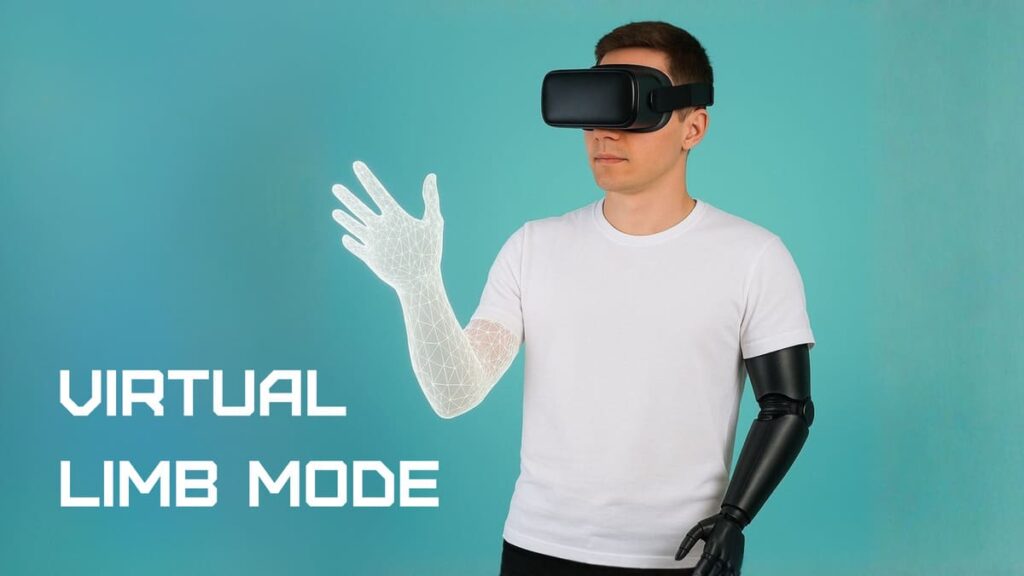
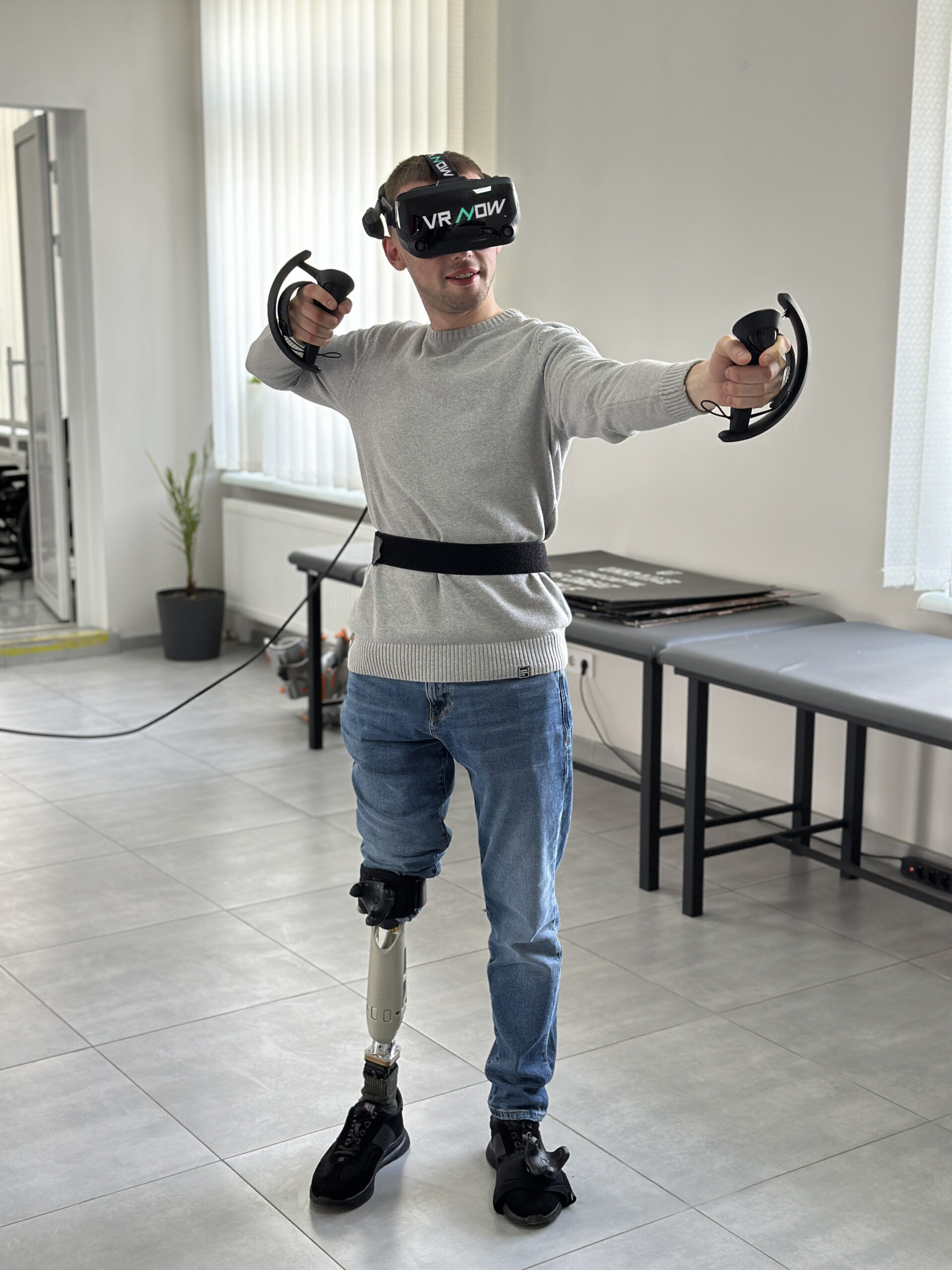
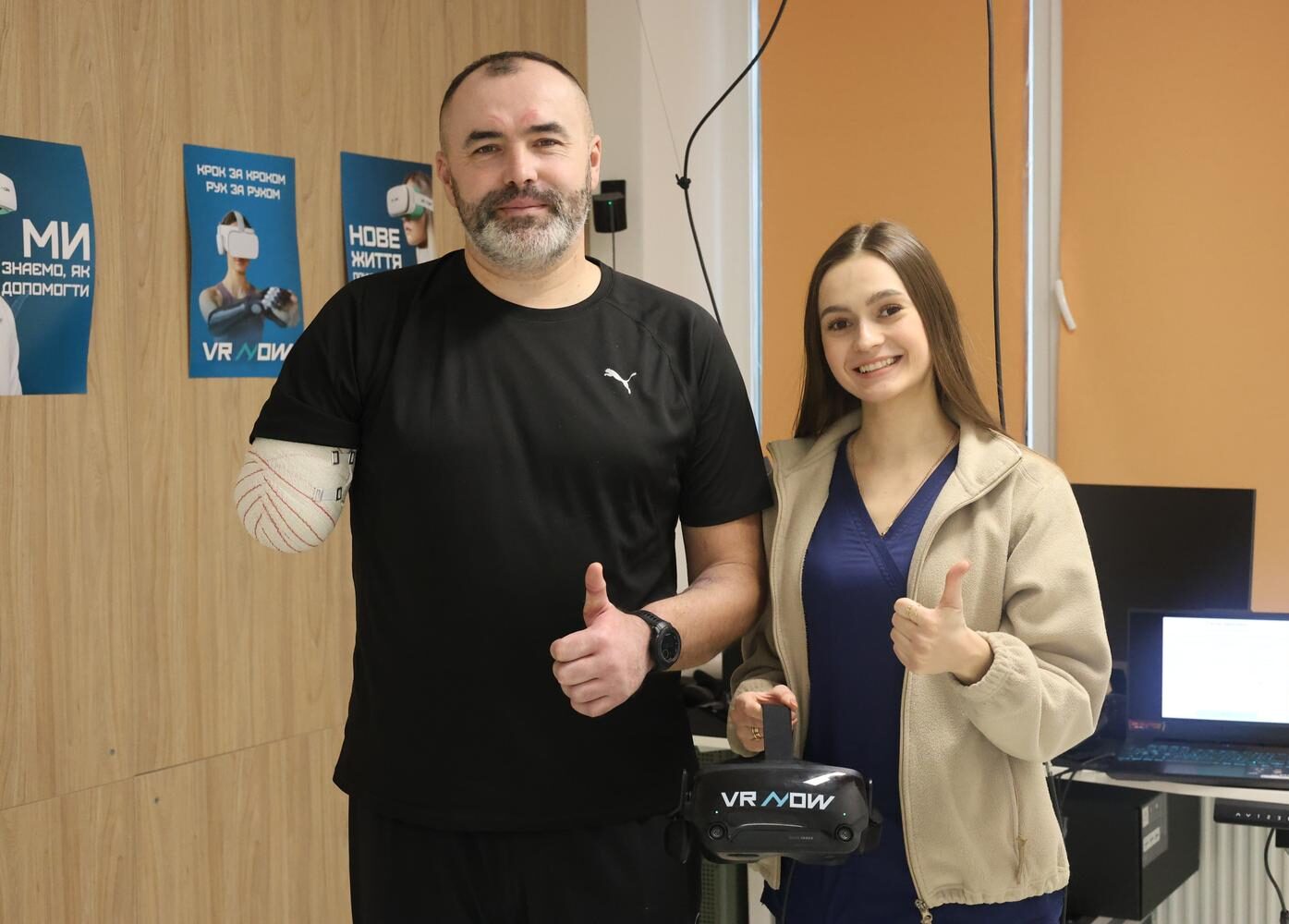
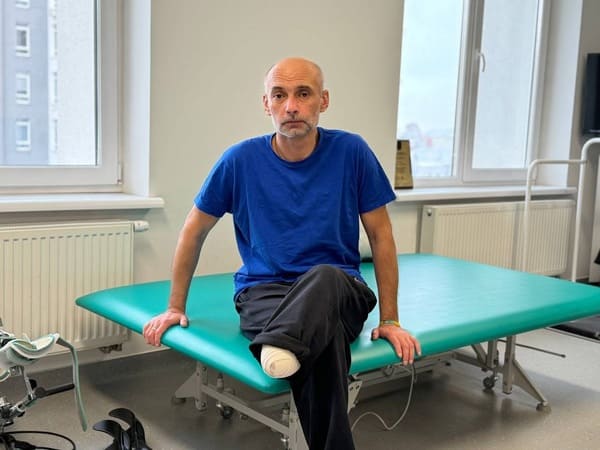
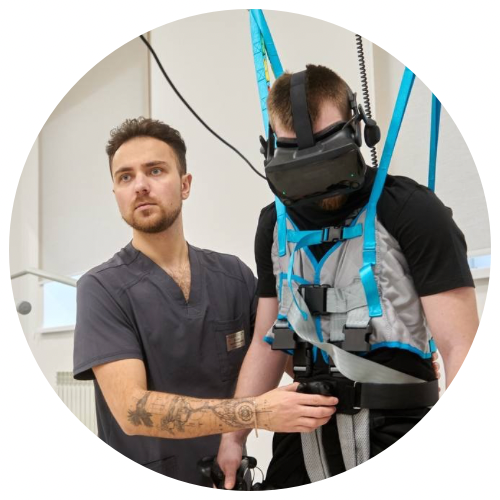
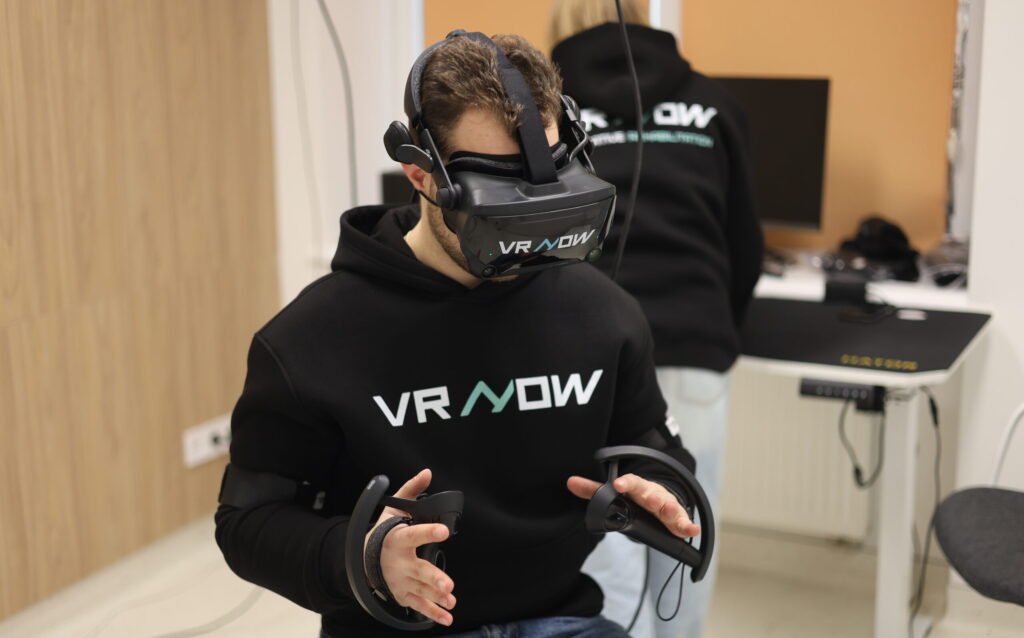
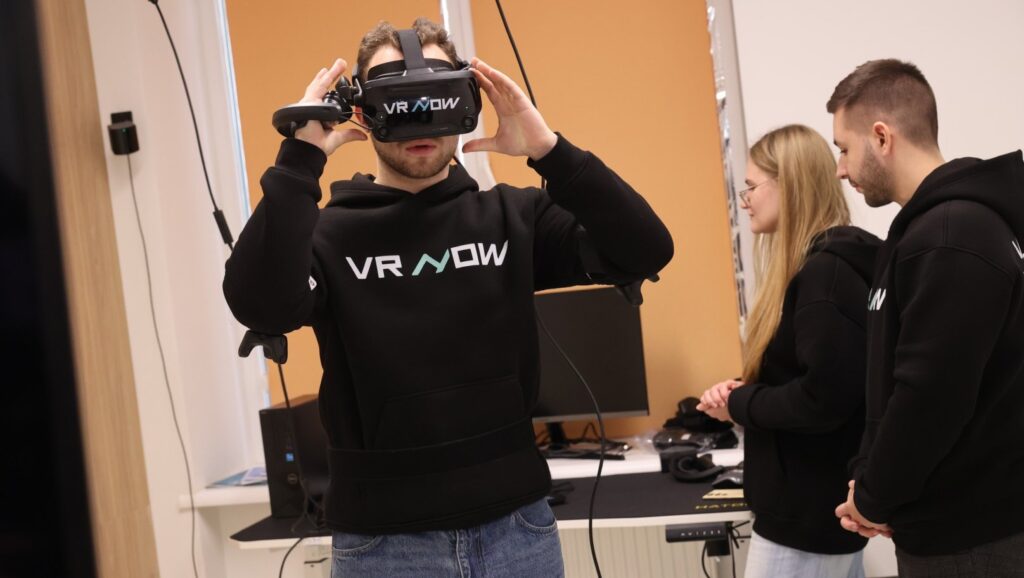
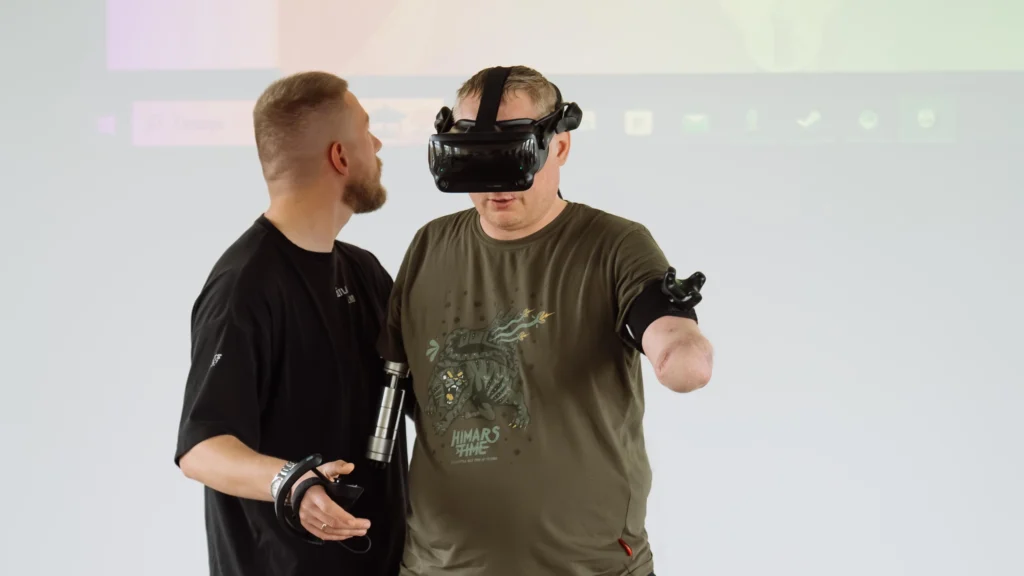
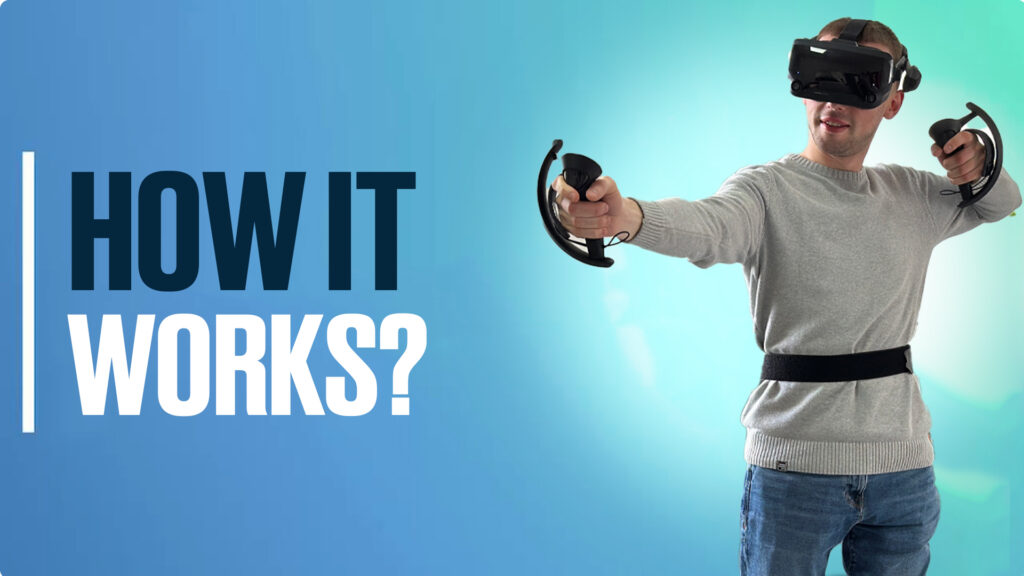
The patient sees a full body in virtual reality, including a virtual limb that does not physically exist. Such simulation and motor stimulation activate corresponding areas of the brain, helping reduce phantom pain, pain syndrome, and improving movement control after amputation or injuries.