logo logo
logo
logo logo
Contacts
Virtual Limb Mode is a patented technology developed by VRNOW for managing phantom limb pain.
It helps patients with amputations reduce phantom pain, phantom pain after amputation, restore body control, and regain confidence in movement, reducing pain sensations, discomfort, and chronic syndrome.
Get
a consultation
arrow-icon
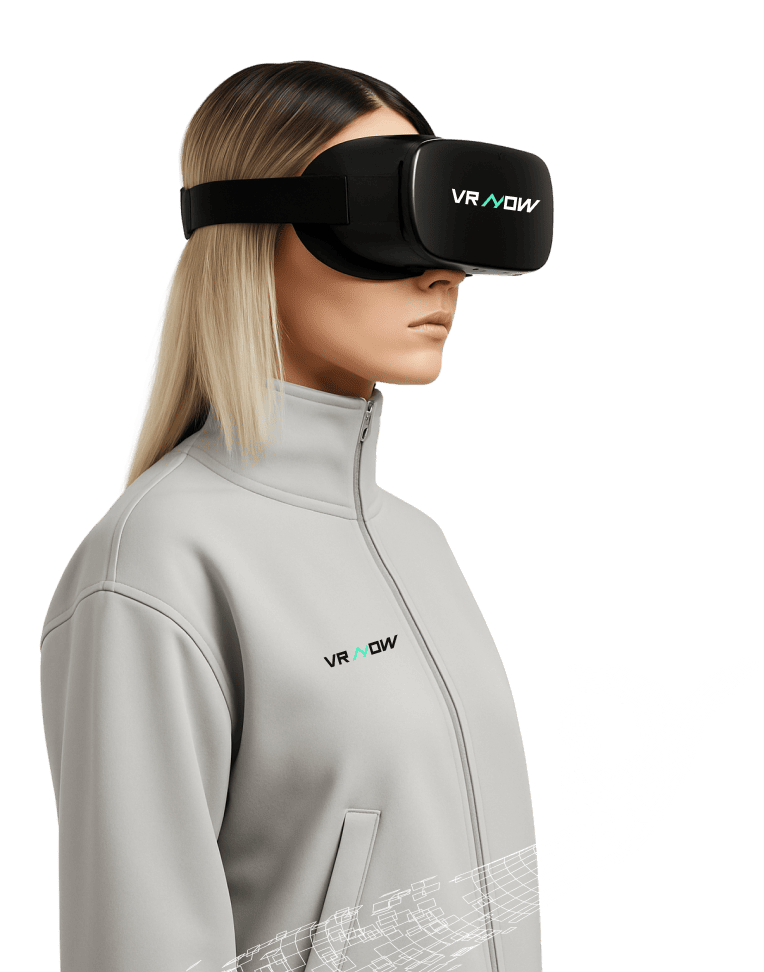
hero-img
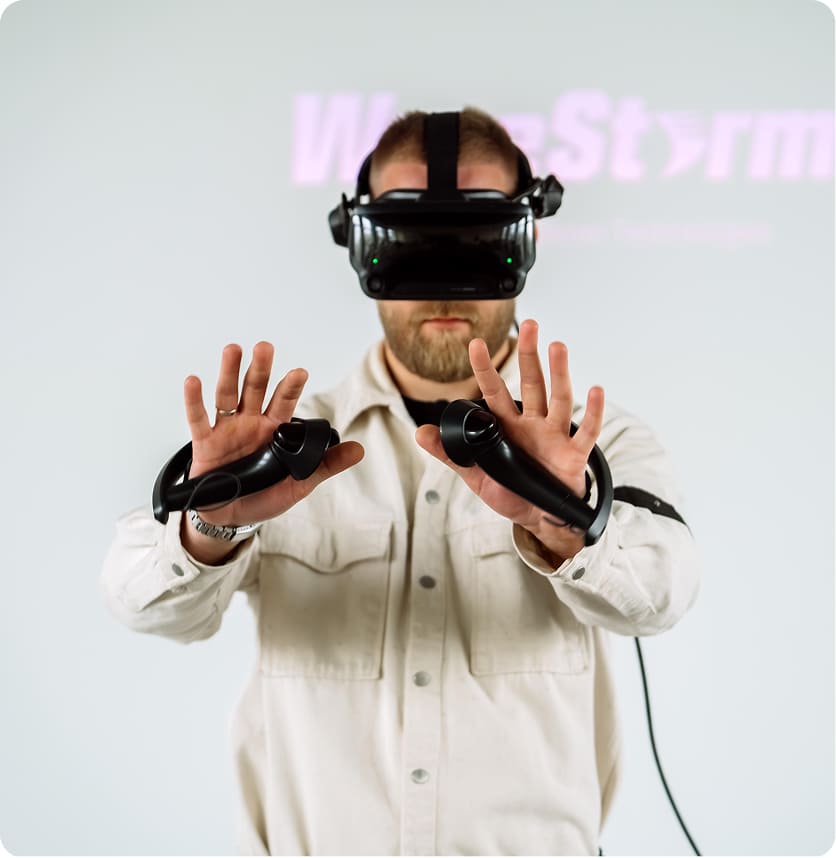
The brain retains a “body map” even after amputation. Virtual Limb Mode recreates the lost limb in VR and allows it to be controlled through stump movements with a sensor. This activates neuroplasticity and reduces phantom pain, phantom pains and phantom sensations, influencing physiology and sensitivity after surgery.
>100 000
military personnel have undergone amputation
85%
of them experience phantom pain, and phantom pain treatment requires modern approaches
video-img
Technology features
Full avatar
The patient sees their full body — movements are transferred into VR using 7 motion sensors, helping better understand symptoms and reduce soreness in missing limbs
Fastening system
The system adapts to different types of upper and lower limb amputations at any level and type, which is important for effective phantom pain treatment and working with various forms of the syndrome
Safe environment
Exercise scenarios without visual triggers — no “green fields” or stimuli that may activate PTSD, helping to calm the patient and reduce discomfort during therapy
Medical certification
VRNOW is a certified medical device. It can be integrated into clinical protocols, as a modern approach to phantom pain treatment and other post-traumatic conditions
img
When working with patients, PRM doctors and physical therapists working with the trainer conduct control measurements of patient success, including
icon
Kinematic data of the stump (amplitude, trajectory, symmetry), allowing assessment of limb condition after amputation
icon
Pain intensity measured by the VAS scale, for analyzing pain sensations and treatment dynamics
icon
Frequency/duration of phantom pain, helping determine how to eliminate phantom pain more effectively
icon
Patient engagement in movement (activity index), as an indicator of symptom reduction and improvement
icon
Session statistics, for analyzing the prevalence and intensity of the phantom pain syndrome

Virtual Limb Mode is based on the principles of mirror therapy and neuroplasticity. The effectiveness of the approach has been confirmed in hospitals where VRNOW has been used since 2024. Patients demonstrate a reduction in pain on the VAS scale by 2–3 points after just 10 sessions, confirming the effectiveness of this approach in treating phantom pain and reducing chronic discomfort after amputation.

Scientific research
Expert Reviews
Vadym Kerestey
"Associate Professor at B.D. Grinchenko University of Kyiv.
Head of Rehabilitation at the ADONIS Clinic"

“Rehabilitation using virtual reality has shown significant effectiveness in patient treatment. By placing patients in various environments, such virtual trainers engage both mind and body, increasing the effectiveness of each session. This level of immersion is key to faster and more efficient recovery.”

Oleg Bilyansky
Head of the UNBROKEN Center

“Patients with amputations often experience not only physical trauma but also prolonged phantom sensations that exhaust them and gradually reduce recovery potential. VRNOW will significantly ease pain and become a new tool in the work of our rehabilitation specialists.”
Horvat Ivan
Head of the Rehabilitation Department of St. Martin's Hospital, neurologist

“The introduction of VR technology enhances the capabilities of our rehabilitation department. It is a modern tool that complements classical therapy and expands the range of care for our patients.”
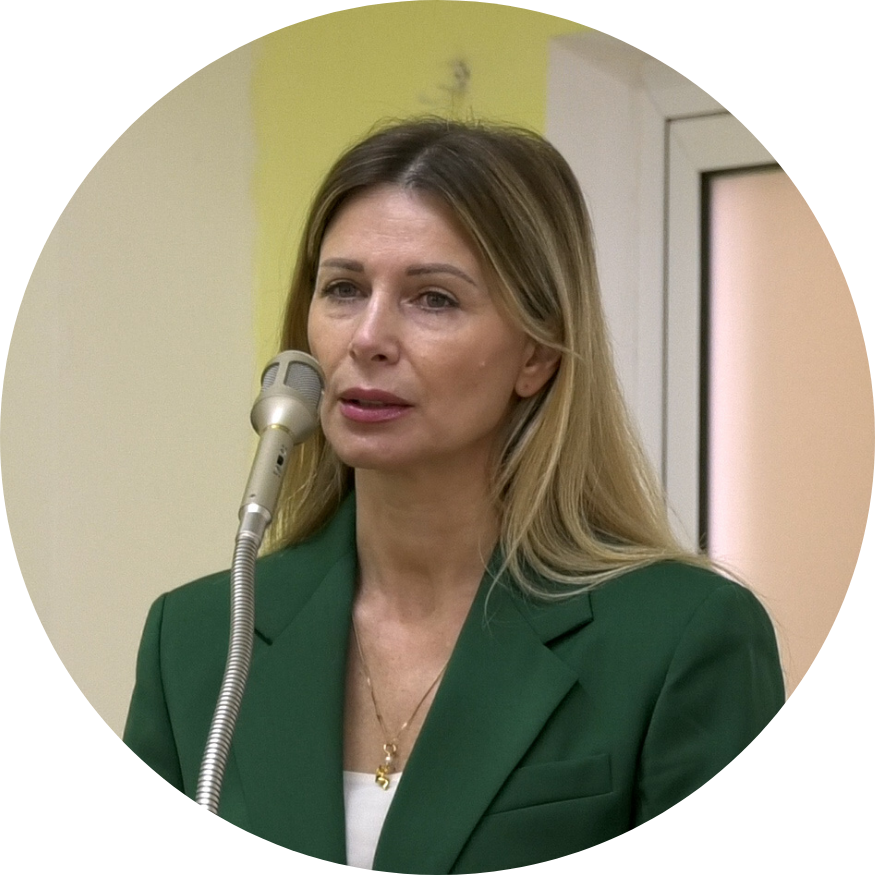
Natalia Matolinets
Candidate of Medical Sciences, Associate Professor, Anesthesiologist. Honored Doctor of Ukraine

“This is a modern solution combining simulation, movement training, and adaptation of the nervous system to new conditions. It allows patients, even in limited space and with limited resources, to use a special camera reflecting their real-life environment to relearn movements, aiding rehabilitation and helping reconfigure the central nervous system.”

Nikita Zhalnin
Co-founder, Medical Director of the “Path to Health” Rehabilitation Center

“During the use of the VRNOW trainer, we observed a noticeable reduction in phantom pain intensity, especially in patients after lower limb amputations. Patients reported improved sleep, reduced discomfort, and increased emotional stability thanks to such VR simulators. We also see improved muscle activity, reduced acute pain levels, and increased motivation for regular training.”
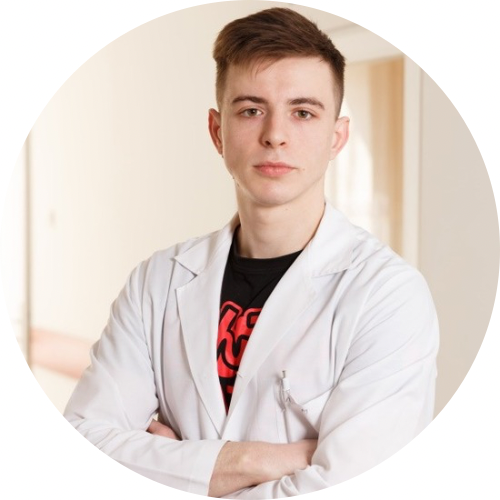
Lomaga Mykhailo
Physical therapist at St. Martin's Hospital

“I tried VR technology for rehabilitation purposes and was amazed by its potential. I am sure that VRNOW will play a huge role in the rehabilitation of our patients, opening up new opportunities for treatment at a new level”

Vyacheslav Malgin
Director of the Nikopol Children's City Hospital Municipal Enterprise

“This is an effective virtual reality trainer. Using VRNOW allows us to create a comfortable and psychologically safe environment for patients, which is especially important when working with children. Rehabilitation with VRNOW becomes not only effective but also engaging. Based on the results, we recommend VRNOW as a reliable, convenient, and effective rehabilitation tool.”

Alexander Urin
Acting Director General of the Okhmatdyt Children's Hospital. Head of the Department of Intensive and Effluent Therapy for Acute Intoxications at Okhmatdyt.

“In children with limb injuries undergoing rehabilitation with VRNOW, we observed significant improvement in muscle strength and a notable reduction in discomfort. VR technologies create a comfortable environment for children, motivating them to actively participate in rehabilitation. Thanks to this innovative approach, VRNOW significantly shortens recovery time and reduces psychological stress, especially in children.”
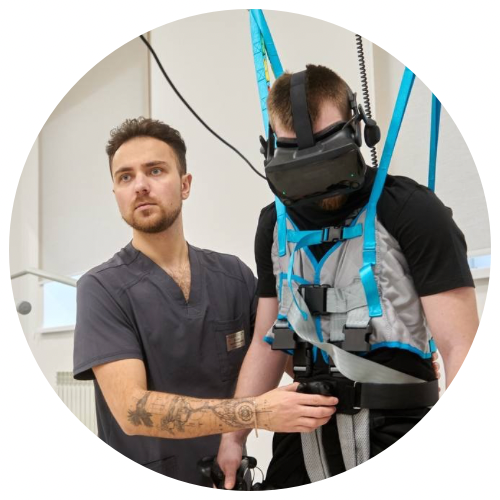
Ivan Matyas
Physical therapist

“It is usually impossible to conduct mirror therapy for patients, for example, with bilateral amputation when there is no healthy limb. Here, the system virtually recreates legs and arms for the patient.”
Get a consultation about the VRNOW simulator
* Choose yourself
Hospital representative
Representative of the Charitable Foundation
Other
Send
Fill out the form and get the document!
close
Choose a type
Private
State
Download document
Get a consultation about the VRNOW simulator
close
* Choose yourself
Hospital representative
Representative of the Charitable Foundation
Other
Send
close