


the future
of rehabilitation









Phantom pain
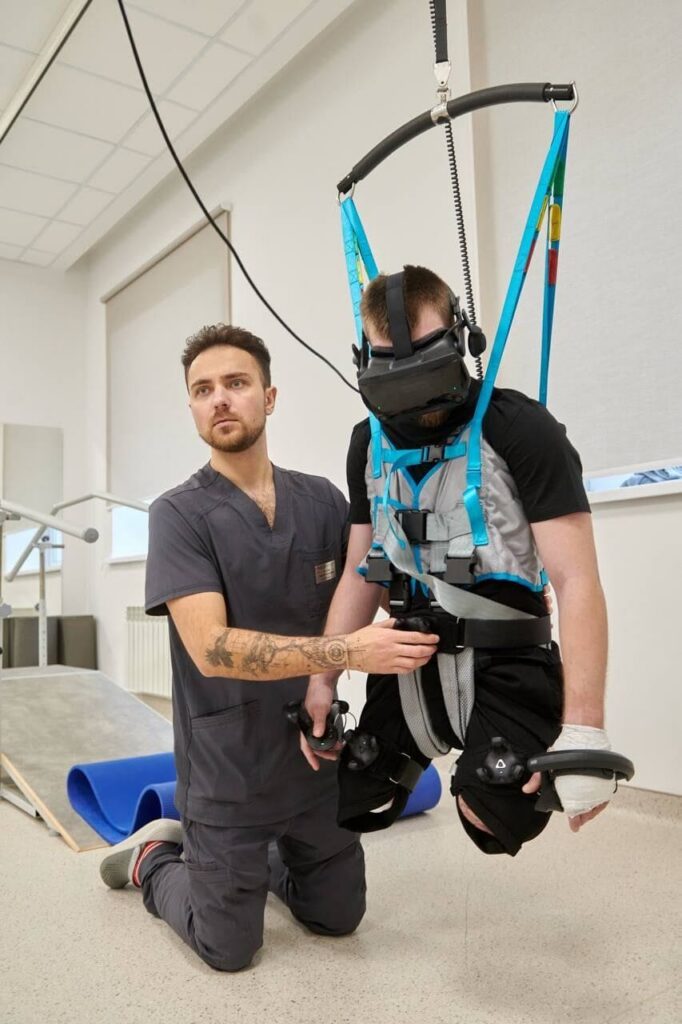
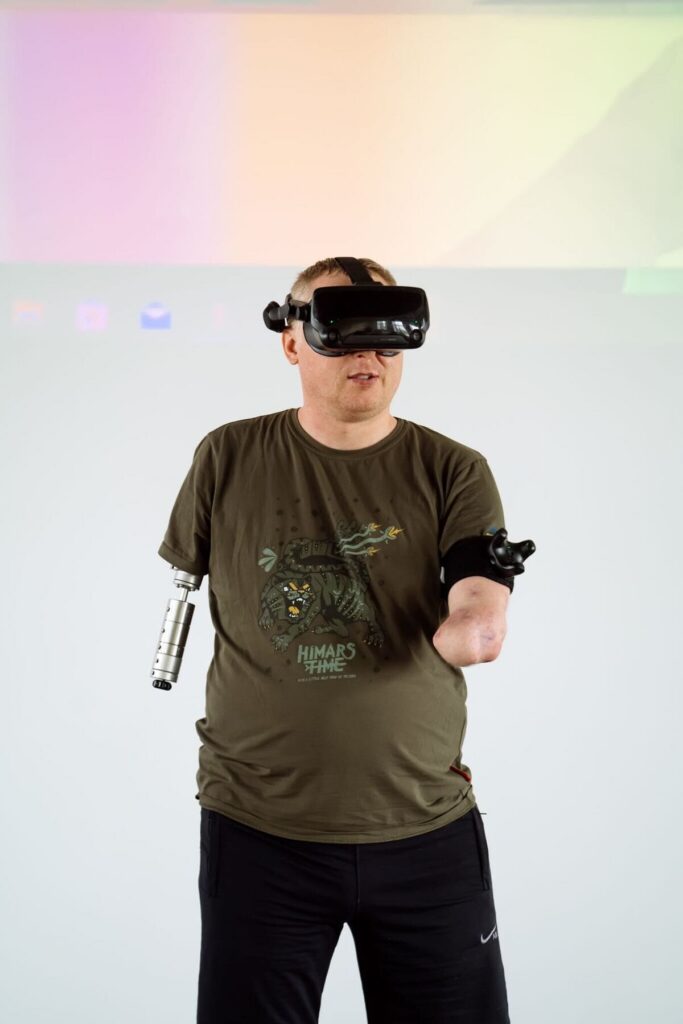
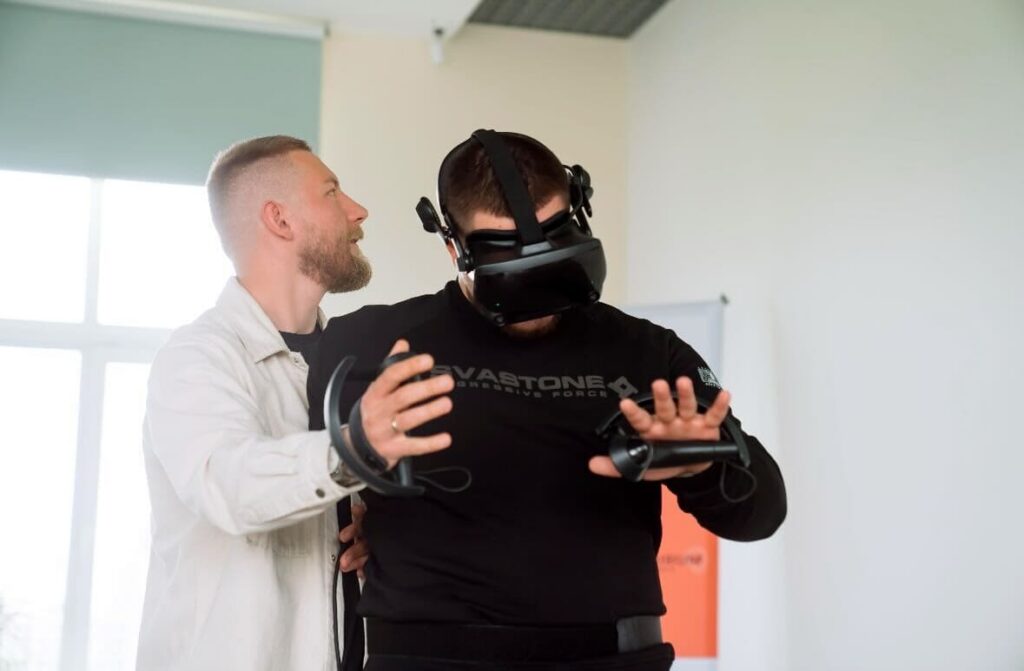
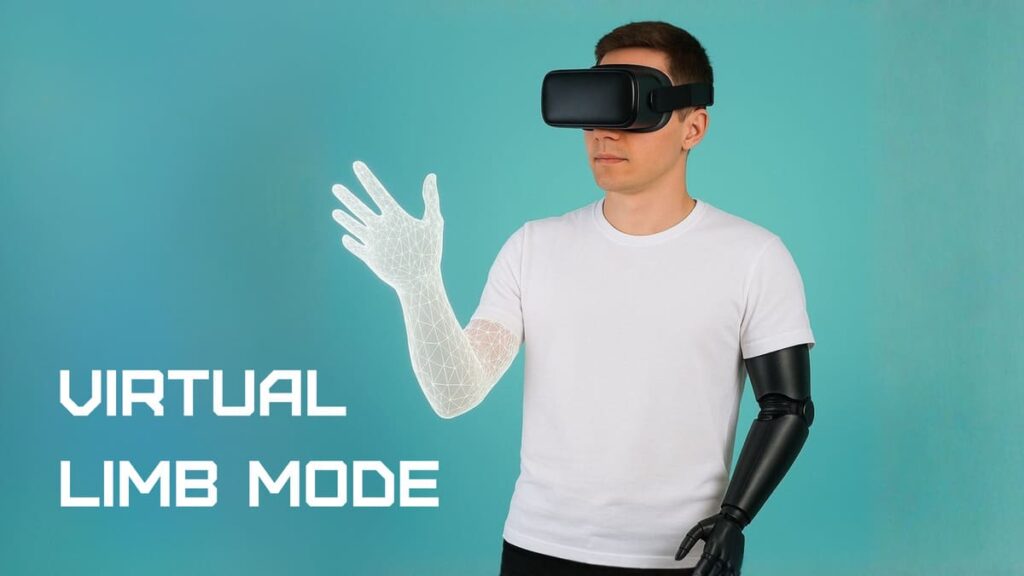
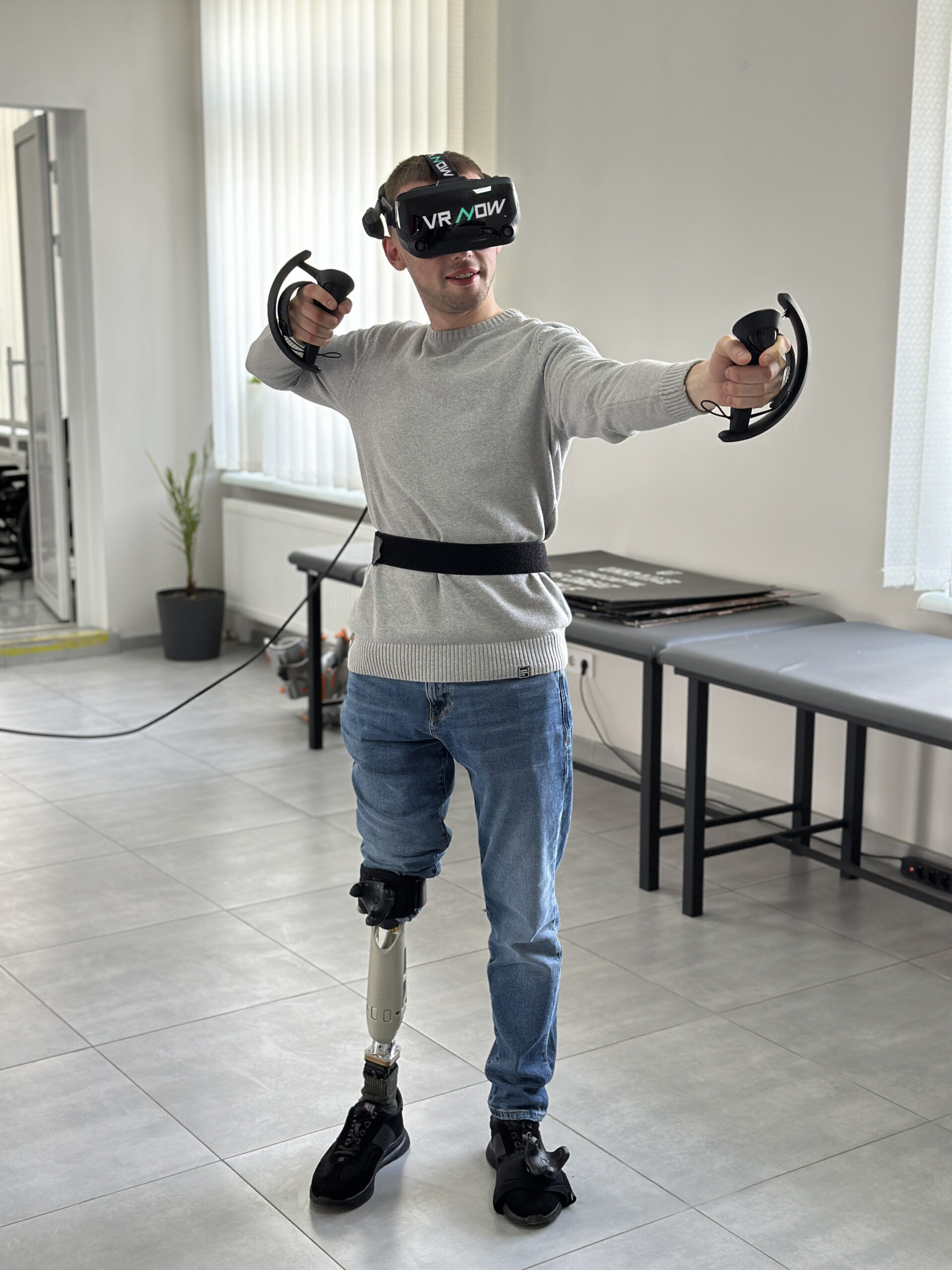
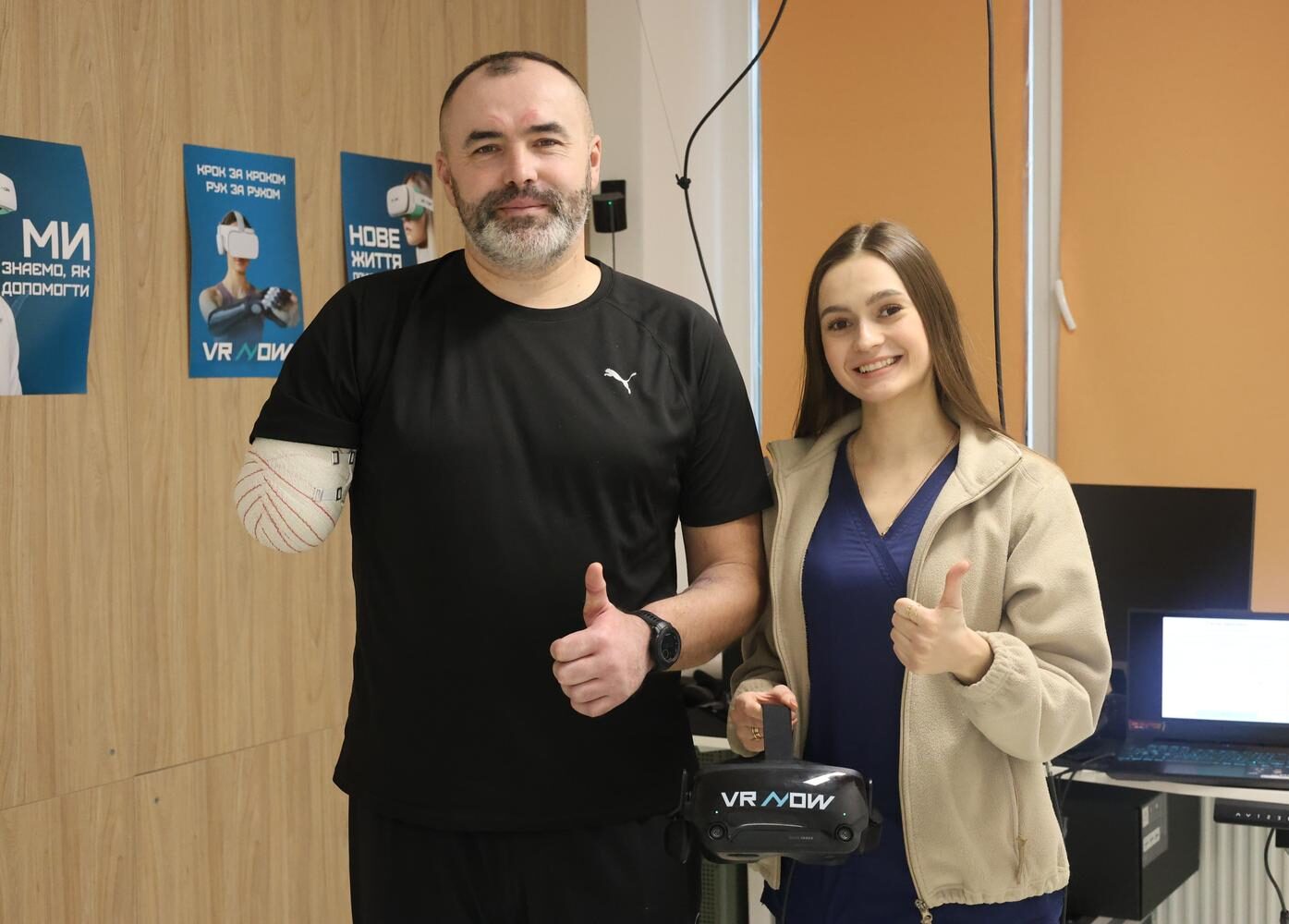
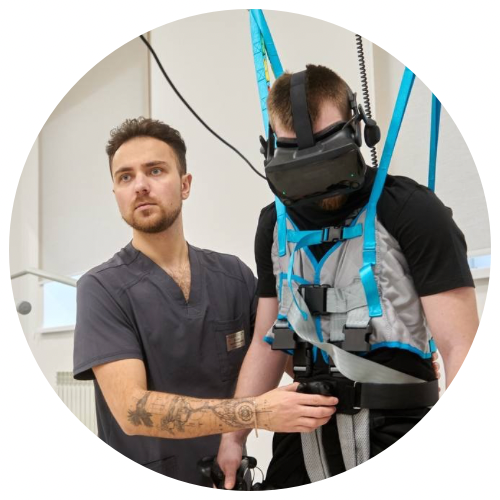
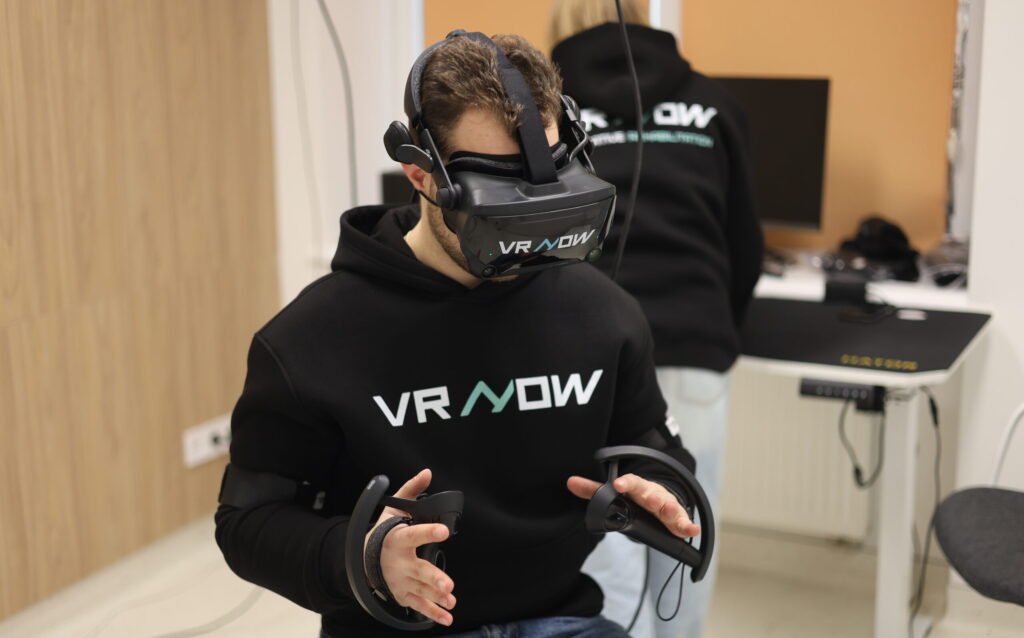
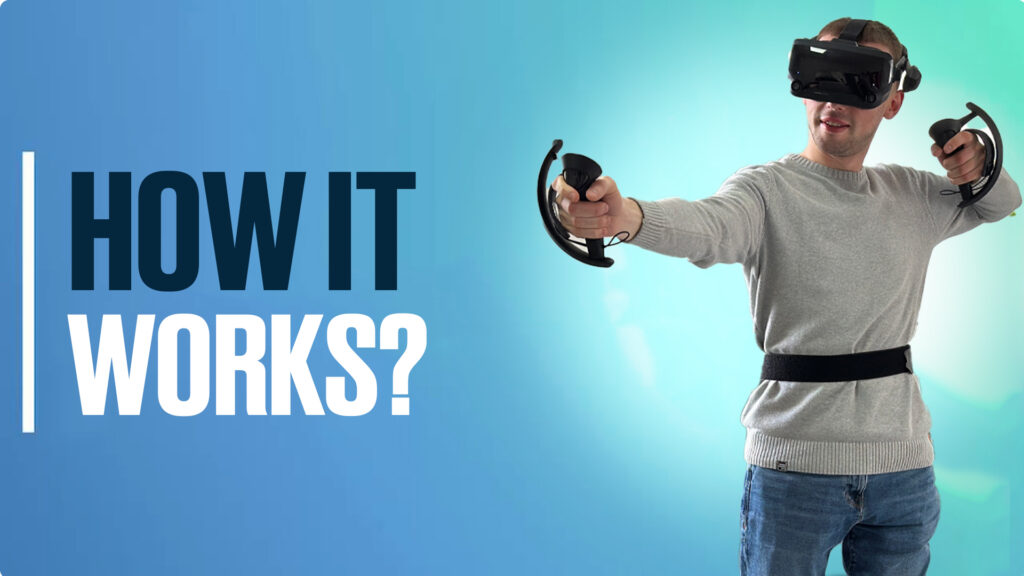
The patient sees their entire body in virtual reality, including a virtual limb that is physically absent. This visual and motor stimulation activates the corresponding areas of the brain, which helps to reduce phantom pain and improve control of the stump’s movements.